





Volatile organic compounds VOC
Contents |
[edit] Introduction
Volatile organic compounds (VOCs) are organic chemicals that easily vaporise when they are at room temperature. At high levels in the air they can cause damage to human health or to the environment. They originate from a variety of classes of chemicals, including; alphatic, aromatic and halogenated hydrocarbons, aldehydes, ketones, ethers, esters, alcohols, acids and amines.
VOCs are common in industry, widely used in the petrochemical industries and as industrial cleaners and solvents. Other processes that emit VOCs include; printing, surface coating, chemical manufacturing, rubber fabrication, and wood and plastic lamination. In addition to the emissions through industry, VOCs can originate from households and from road transport.
[edit] Effects of VOCs
VOCs can result in harm in a number of ways:
- Direct damage to human health.
- Some VOCs can result in the generation of photochemical oxidants including ozone, in the lowest level of the atmosphere. They are commonly found at ground level close to urban and industrial centres and can contribute to elevated levels of ozone.
- Damage to the ozone layer at the level of the stratosphere.
- Contributing to global climate change.
- Causing offensive smells.
The inhalation of VOCs can cause a variety of health problems depending on the specific chemical and its toxicity.
Short-term exposure to high levels of VOCs can cause:
- Irritation to the eyes, nose or throat.
- Headaches.
- Nausea or vomiting.
- Dizziness.
- Exacerbating the symptoms of asthma.
Long-term exposure to high levels of VOCs can lead to an increased risk of:
[edit] Regulations
There are a variety of regulations in relation to VOCs, including:
- The Control of Substances Hazardous to Health (COSHH) Regulations 2002, which state that workers must be protected from the risks from hazardous substances such as VOC containing solvents.
- The Volatile Organic Compounds in Paints, Varnishes and Vehicle Refinishing Products Regulations 2012.
- The emission of VOCs from industrial processes are regulated under The Environmental Permitting (England and Wales) Regulations 2010. Permits specify the limits of emission and state that the concentration of the pollutant must not be in excess of a certain threshold or that the source must not release more than a certain mass of the pollutant over a set period of time.
NB According to the Home Quality Mark One, TVOC (Total VOC) is the sum of the concentrations of identified and unidentified volatile organic compounds eluting between and including n-hexane and n-hexadecane on a gas chromatographic column specified as a 5 % phenyl/95 % methyl-polysiloxane column. Ref BSI. 2015. BS EN 16516. Construction products – assessment of release of dangerous substances – determination of emissions into indoor air. 2015.
Total semi-volatile organic compound (TSVOC) is the: 'Sum of the concentrations of identified and unidentified volatile organic compounds eluting between nhexadecane (excluded) and n-docosane (included) on a gas chromatographic column specified as a 5% phenyl/95% methyl polysiloxane capillary column.' Ref BREEAM UK New Construction, Non-domestic Buildings (United Kingdom), Technical Manual, SD5078: BREEAM UK New Construction 2018 3.0, published by BRE Global Limited.
Competence frameworks for the built environment – Core criteria for sustainability competence - Code of practice , Version 3, published by the Edge for the Construction Industry Council in February 2025, defines Biogenic volatile organic compounds (BVOCs) as: “Organic gas-phase compounds emitted from terrestrial and aquatic ecosystems that are critical in ecology and plant physiology, from abiotic and biotic stress functions to integrated components of metabolism. BVOCs are important in atmospheric chemistry as precursors for ozone (O3 ) and secondary organic aerosol formation. Other terms used to represent BVOCs are hydrocarbons (HCs), reactive organic gases (ROGs) and non-methane volatile organic compounds (NMVOCs).”
[edit] Related articles on Designing Buildings
- Adhesives.
- Asbestos.
- Binding agent.
- Construction dust.
- Contaminated land.
- Control of Substances Hazardous to Health.
- Deleterious materials.
- Environmental legislation.
- Environmental policy.
- Hazardous substances.
- Inspections focus on occupational lung disease.
- Planning (Hazardous Substances) Act 1990.
- Ozone depleting substances.
- Pollution.
- Structural adhesives.
- Volatile material.
- Workplace exposure limits.
[edit] External references
Featured articles
Check out some of the best features and news from Designing Buildings as well as key stories from around the web.
Campaigning for Edinburgh: the Cockburn Association 1875-2049
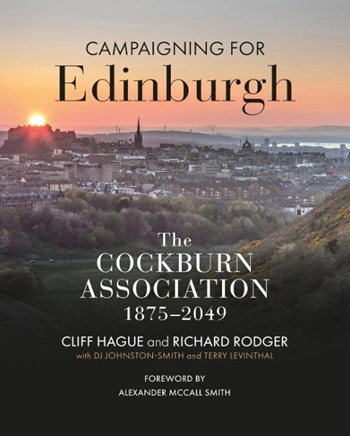
The role of the civic voice in protecting character. Book review.

CIOB photography competition is open for entries.
ECA Edmundson apprentice of the year award

Finalists announced.
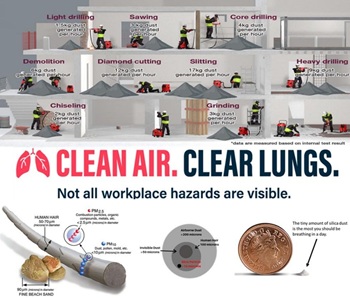
Major new study exposes serious knowledge gaps.
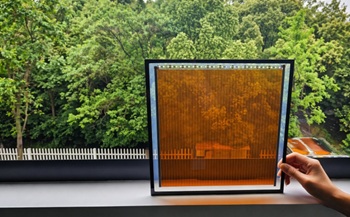
Generating energy from internal light as well as sunshine.

ECA welcomes plans to strengthen subcontractor quality control.

Combining mid-career qualifications with experience broadens career opportunities.

Why being a mentor can help your career.

Channel 4 broadcaster to host 125th anniversary ceremony.
Listed structures on the rail network
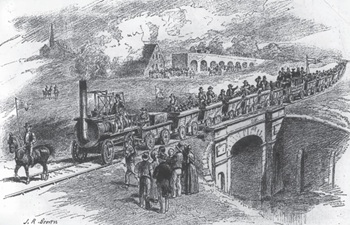
Heritage interests and operational requirements must be balanced.
Historic England publishes research into embodied carbon when retrofitting traditional buildings.

New Prime Minister delivers on ECA call for cut in electricity costs.